
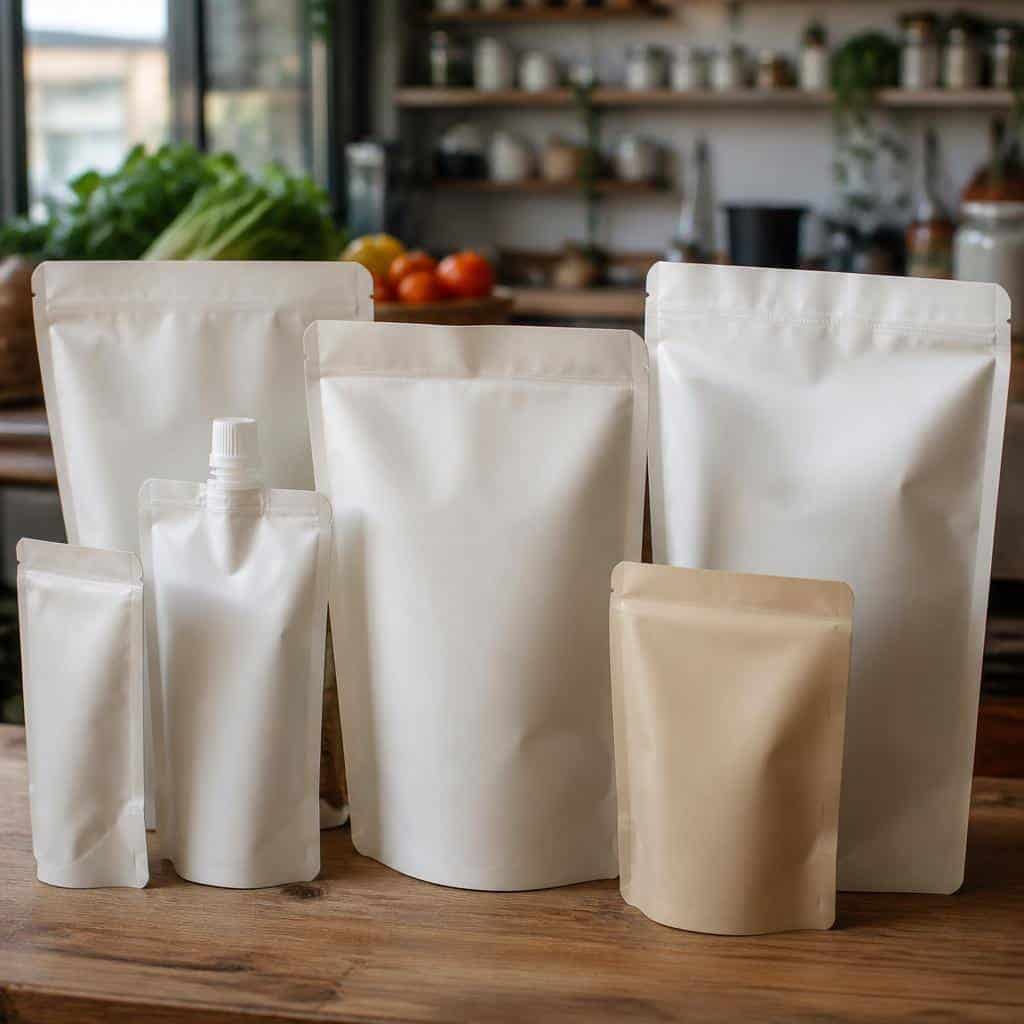
Modern consumers demand convenience, product safety, and extended shelf life from their packaged goods, especially in the food and beverage sectors. Retort pouch packaging is designed precisely to meet these expectations without compromising quality or sustainability. This packaging method combines flexibility, durability, and sterilization technology, providing an innovative solution for both manufacturers and consumers.
Understanding the Key Features of Retort Packaging
Retort pouches are flexible laminated packaging that can withstand high-temperature sterilization processes typically used to preserve food products. Unlike traditional cans or glass jars, these pouches offer a lightweight and space-efficient alternative. The material layers include polyester for strength, aluminum foil for barrier protection, and polypropylene for heat sealing and puncture resistance.
- Heat resistance: Designed to endure retort sterilization at temperatures around 121°C, ensuring microbial safety.
- Barrier properties: Excellent protection against oxygen, moisture, and light, which helps maintain product freshness.
- Durability: Flexible yet strong enough to prevent punctures and leaks during transportation and storage.
- Portability: The lightweight nature of the pouch reduces shipping costs and enhances consumer convenience.
Consumer Benefits Driving the Popularity of Retort Pouches
Consumers increasingly favor packaging that supports on-the-go lifestyles without sacrificing product quality or safety. Retort pouches fulfill these needs by offering easy-to-carry, resealable formats compatible with a wide range of ready-to-eat foods, beverages, and pet products.
The flexibility of the pouch allows for various portion sizes, catering from single servings to family packs. Additionally, the material’s barrier properties ensure that the contents retain their flavor and nutritional value throughout the product’s shelf life. These factors contribute to the growing adoption of retort packaging among health-conscious and convenience-driven consumers.
Production Process and Industrial Applications
In manufacturing, retort pouch packaging involves forming the pouch from laminated film, filling it with the product, sealing it, and then subjecting it to heat sterilization. This process allows products to be shelf-stable without refrigeration, which benefits supply chain logistics and retail display.
Industries utilizing retort pouches include:
- Food processing: Ready meals, soups, sauces, and snacks.
- Beverage sector: Juices, dairy-based drinks, and nutritional supplements.
- Pet food: Wet food packs requiring long shelf lives and convenience.
Due to the multi-layer construction, retort pouches also contribute to reducing packaging waste volume compared to rigid containers, aligning with cost reduction goals in commercial production.
Key Criteria for Selecting Retort Pouch Packaging
When choosing packaging solutions, manufacturers must consider factors such as the product’s sensitivity, intended shelf life, and distribution channels. The retort pouch offers strong benefits but must be carefully matched to product requirements.
- Thermal stability: Ensures the pouch withstands the retort process without deformation or seal failure.
- Seal integrity: Critical for maintaining sterility post-processing.
- Material compatibility: The inner layer must not react with the product to avoid contamination.
- Environmental impact: Options for recyclable or reduced-material formulations can be prioritized.
Manufacturers looking to optimize packaging solutions can explore how retort pouch technology fits within their product lifecycle and sustainability strategies.
Limitations and Challenges of Retort Pouch Packaging
Despite its advantages, retort pouch packaging is not universally applicable. Some challenges include:
- Consumer perception: Some market segments may prefer traditional packaging like cans or glass.
- Recycling complexity: Multi-layer laminates can be difficult to recycle, requiring specialized facilities.
- Equipment investment: Transitioning to retort pouch systems involves capital expenditure on filling and sealing machines.
Manufacturers must balance these factors when adopting retort pouch solutions, ensuring they meet both business goals and customer expectations.
Conclusion on the Role of Advanced Packaging Solutions
Retort pouch packaging successfully addresses modern consumer demands by combining convenience, safety, and product preservation in a flexible format. The technology supports a broad spectrum of applications and encourages innovation in food and beverage packaging. While it presents some logistical considerations, its advantages in meeting on-the-go lifestyles and shelf stability make it a compelling choice for businesses aiming to align with shifting market preferences.
Related Posts

The Costly Mistakes Leaders Make When They Claim to Be Purpose-Driven But Fail to Align Actions With Stated Values
Purpose-Driven Leadership: Defining Alignment Between Values and Actions Purpose-driven leadership…

Why Speaking on Leadership and Healing Has Become Especially Relevant in 2026 as organizations and individuals seek both stronger leadership and deeper emotional recovery in uncertain times
Leadership and Healing: Defining Their Growing Relevance in 2026 Leadership,…

Common Challenges and Solutions When Renting a Thai Apartment for Rent Bangkok
Renting an apartment in Bangkok can be quite an adventure…